Dubai’s Climate Is Quietly Destroying Your Furniture
You’ve invested in a stunning interior. Custom cabinetry, a grand dining table, built-in wardrobes that look straight out of an Architectural Digest spread.
Then six months later warping. Cracking. Gaps where there shouldn’t be any.
If you’ve experienced this in Dubai, you’re not alone. The city’s brutal humidity swings, cranked-up AC systems, and scorching outdoor temperatures create one of the most punishing environments for wood on the planet.
The real question isn’t just which wood looks better it’s which wood survives Dubai. When it comes to solid wood vs engineered wood Dubai, the answer isn’t as simple as most furniture showrooms will tell you.
In this guide, we break down both materials honestly their strengths, weaknesses, real-world performance in UAE conditions, and which one deserves a place in your home or commercial space.
What Is Solid Wood and Why Do People Love It?
Solid wood is exactly what the name says: timber cut directly from a tree, with no composite layers or adhesives in its core. Think teak, oak, walnut, mahogany, and rosewood.
Why buyers in Dubai gravitate toward solid wood furniture Dubai:
- Unmatched natural grain and character
- Can be sanded and refinished multiple times over decades
- Ages gracefully and develops a rich patina
- Carries a premium, luxury perception
- Strong emotional and heritage appeal
A solid teak dining table in a Jumeirah villa isn’t just furniture it’s a statement. Hardwood interiors UAE projects often use solid wood for exactly this reason: prestige.
But here’s the problem nobody talks about upfront.
The Dubai Climate Problem: Why Solid Wood Struggles Here
Solid wood is hygroscopic it absorbs and releases moisture based on the surrounding environment. In most temperate climates, this movement is minimal and manageable.
Dubai is not a temperate climate.
What solid wood faces in Dubai:
- Outdoor humidity can spike above 90% in summer months
- Indoor AC systems drop humidity to 30–40% in hours
- This rapid expansion and contraction causes warping, cracking, and joint separation
- Direct sunlight through glass facades bleaches and dries out the wood surface
- Temperature differentials between indoor and outdoor spaces accelerate stress fractures
A solid wood dining table installed near floor-to-ceiling windows in a Downtown Dubai apartment can begin showing cracks within a year if not properly maintained. This isn’t a quality issue it’s physics.
The bottom line: Without proper acclimatisation, humidity control, and finishing, solid wood in Dubai requires significant ongoing care.
What Is Engineered Wood and Is It “Cheap”?
There’s a persistent misconception that engineered wood furniture Dubai means low quality. That’s outdated thinking.
Modern engineered wood typically consists of a real hardwood veneer bonded over multiple layers of high-density plywood or HDF (high-density fibreboard). The result is a product that:
- Has a genuine wood surface same look and tactile feel as solid
- Is dimensionally stable far less prone to warping or swelling
- Performs consistently in humidity-variable environments
- Costs significantly less per square metre than solid hardwood
- Is available in virtually any species appearance walnut, oak, teak, wenge
MDF vs solid wood Dubai is a slightly different comparison. MDF (medium-density fibreboard) is denser and smoother than plywood-core engineered wood and is excellent for painted finishes and cabinetry. It handles humidity less gracefully than quality engineered plywood but remains a staple in Dubai fit-outs for its cost efficiency and machinability.
Solid Wood vs Engineered Wood Dubai: A Head-to-Head Comparison
1. Durability in Dubai’s Climate
Solid Wood: Vulnerable to humidity fluctuations. Requires ongoing sealing, conditioning, and climate control. Best suited to controlled indoor environments with stable AC.
Engineered Wood: Cross-ply construction resists expansion and contraction. Performs reliably in Dubai’s climate when sourced from quality manufacturers with moisture-resistant adhesives.
Winner for Dubai climate: Engineered Wood
2. Aesthetics and Luxury Appeal
Solid Wood: Nothing replicates the depth, figure, and warmth of genuine solid hardwood. Each piece is unique. Ideal for statement furniture and high-end custom projects.
Engineered Wood: With quality veneers (0.6mm–2mm), the visual difference is negligible in most settings. A well-finished engineered oak table looks identical to solid oak to most eyes.
Winner: Solid Wood (marginally) though premium engineered is a close second.
3. Longevity and Repairability
Solid Wood: With proper care, solid hardwood furniture can last generations. It can be sanded, restained, and refinished. A teak table in the right conditions is a 50-year investment.
Engineered Wood: The veneer surface can be lightly refinished but has limits. Structural lifespan is typically 15–25 years depending on quality tier. Not suitable for deep sanding.
Winner for long-term investment: Solid Wood if you’re committed to maintenance.
4. Cost and Value
Solid Wood: Premium pricing. A solid walnut dining set from a reputable custom wood furniture Dubai studio can run AED 15,000–50,000+.
Engineered Wood: Typically 30–60% less cost for a comparable aesthetic. Ideal for large-format projects like fitted wardrobes, kitchen cabinetry, and office interiors.
Winner for value: Engineered Wood
5. Sustainability
Solid Wood: Requires more raw timber. Slow-growth hardwoods like teak take decades to mature. Look for FSC-certified sources.
Engineered Wood: Uses less solid timber per unit. More resource-efficient manufacturing. Can incorporate recycled wood fibres in core layers.
Winner: Engineered Wood when responsibly sourced.
Best Wood for Interiors Dubai: Which Rooms Suit Which Material?
Understanding the best wood for interiors Dubai isn’t a single answer it depends on the application.
Where Solid Wood Excels in UAE Homes
- Dining tables in climate-controlled dining rooms away from windows
- Bedroom accent furniture headboards, side tables, dressers
- Decorative wall panels in humidity-stable living areas
- Heirloom pieces intended for long-term ownership
- Executive office desks in corporate suites with full climate control
Where Engineered Wood Is the Smarter Choice
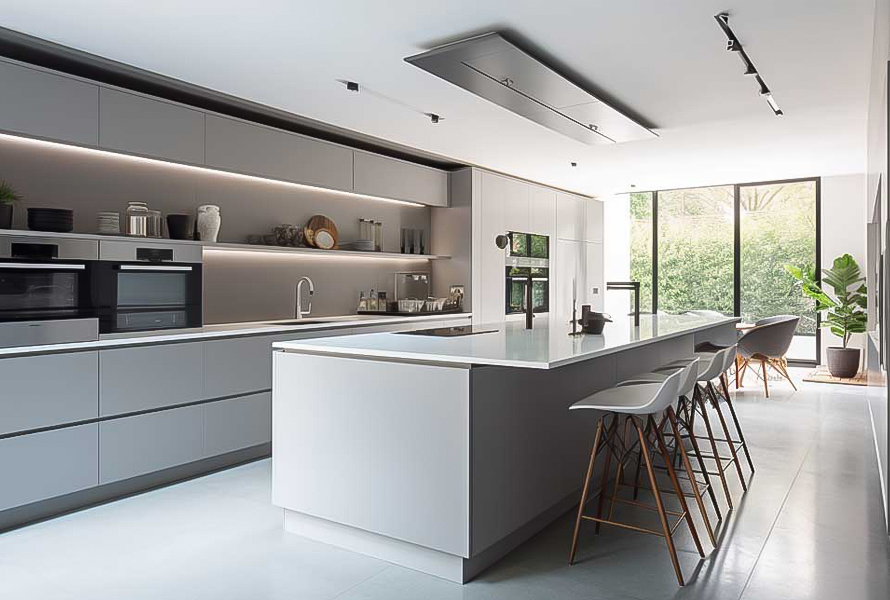
- Kitchen cabinetry humidity exposure from cooking and dishwashers
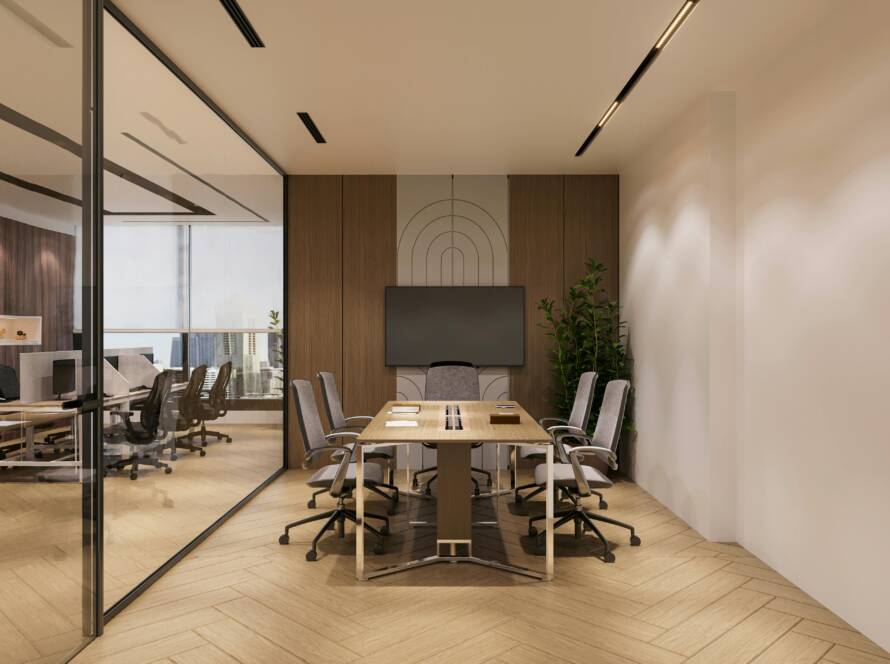
- Built-in wardrobes across entire bedrooms or dressing rooms
- Bathroom vanity surrounds (with proper moisture sealing)
- Commercial fit-outs restaurants, hotels, retail where cost-efficiency matters
- Floor-to-ceiling shelving in open-plan apartments
- Rental properties durable and cost-effective for high-turnover use
Engineered Wood vs Solid Wood Furniture UAE: What Contractors Actually Specify
Interior contractors and fit-out firms across Dubai and Abu Dhabi increasingly specify a hybrid approach:
- Solid wood for visible statement pieces and furniture that takes centre stage
- Engineered wood (moisture-resistant MR grade or marine-grade plywood) for structural casework, cabinetry, and built-ins
This isn’t a compromise it’s intelligent specification. It delivers the visual impact of real wood where it counts, with the climate resilience of engineered core materials where it matters.
Custom wood furniture Dubai studios that offer this hybrid approach give you the best of both worlds without the inflated cost of specifying solid wood throughout.
How to Make Either Material Last Longer in Dubai
Whether you choose solid or engineered, a few practices significantly extend lifespan in the UAE:
For Solid Wood:
- Acclimatise timber for at least 2–4 weeks before installation
- Keep indoor humidity between 45–55% using humidifiers in dry winter months
- Apply UV-resistant finish on pieces near windows
- Use furniture wax or oil conditioner every 6–12 months
- Avoid placing near AC vents where direct airflow causes rapid drying
For Engineered Wood:
- Specify E0 or E1 emission-rated boards with MR (moisture-resistant) adhesives
- Ensure all exposed edges are sealed with ABS or PVC edging
- Use polyurethane or lacquer topcoats on high-traffic surfaces
- Avoid prolonged direct water contact on surfaces
Choosing a Custom Wood Furniture Dubai Studio: What to Ask
If you’re commissioning custom wood furniture Dubai or a full interior fit-out, ask your supplier these questions before signing off:
- What species of timber or veneer are you using, and where is it sourced?
- Is the engineered wood core MR-grade or marine-grade?
- What finishing system do you use lacquer, oil, or polyurethane?
- Do you acclimatise solid timber before fabrication?
- What is your warranty period and what does it cover?
A reputable studio will have clear answers to all five. If they hesitate or redirect, that’s a signal.
FAQ: Solid Wood vs Engineered Wood Dubai
Does engineered wood warp in Dubai’s humidity?
Quality engineered wood with cross-ply construction and moisture-resistant adhesives is specifically designed to resist warping. It outperforms solid wood in Dubai’s variable humidity conditions when manufactured to a proper specification.
Is solid wood worth the premium cost in Dubai?
For statement pieces in climate-controlled environments absolutely. For large-format cabinetry and built-ins across entire rooms, solid wood is unnecessarily expensive and more vulnerable to humidity damage. A hybrid approach often delivers the best outcome.
What is the best wood species for Dubai interiors?
For solid wood: teak and iroko offer the best natural oil content and humidity resistance. For engineered options: hardwood-veneered Baltic birch plywood or eucalyptus-core boards are popular choices among Dubai fit-out specialists.
How long does engineered wood furniture last in the UAE?
With quality manufacturing and proper care, engineered wood furniture in Dubai typically lasts 15–25 years. Higher-end engineered products with thick veneers and structural plywood cores can exceed this significantly.
Is MDF suitable for Dubai kitchens?
Standard MDF absorbs moisture and swells. For Dubai kitchens, always specify moisture-resistant (MR) MDF or, preferably, MR-grade plywood-core engineered boards for cabinet carcasses. Doors and face panels can use MDF with a sealed lacquer finish.
Make the Decision That Fits Dubai Not Just Your Taste
The debate around solid wood vs engineered wood Dubai ultimately comes down to where you’ll use the material, how much climate control you have, and how long you expect the piece to perform.
Solid wood is irreplaceable for prestige, longevity, and that raw, authentic character. But in Dubai’s punishing climate, it demands respect, maintenance, and the right environment.
Engineered wood is not a compromise it’s a sophisticated material engineered for exactly the kind of conditions Dubai throws at your interiors. In the right applications, it outperforms solid wood on every practical metric.
The smartest Dubai interiors use both, strategically.
Ready to spec your next interior project? Work with Modern Creations that understands both materials deeply because the difference between a beautiful space that lasts a decade and one that lasts a lifetime starts with this decision.