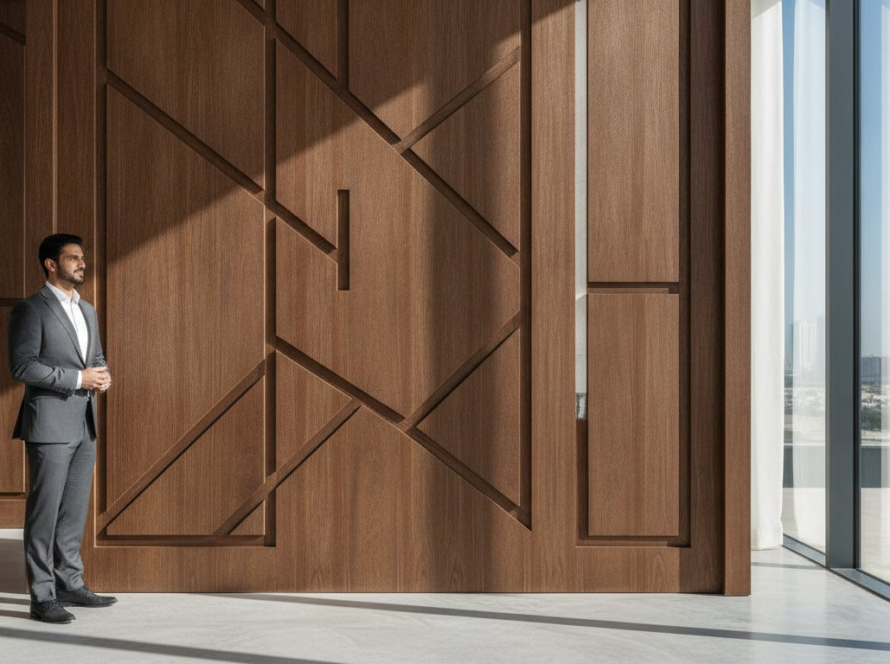
Defining Decorative Woodwork in Interior Design
Decorative woodwork serves as the visual anchor in sophisticated interior spaces, bridging the gap between functional architecture and artistic expression. This specialized craft goes beyond mere utility, transforming basic structural elements into remarkable design features. By incorporating custom timber elements, designers introduce warmth, texture, and a sense of permanence to rooms that might otherwise feel cold or uninviting. The natural variation in wood grain means that every single installed piece remains entirely unique.
Integrating these custom elements requires a deep understanding of spatial dynamics and material behavior. From understated baseboards to elaborate wall assemblies, timber framing defines how light and shadow interact across a surface. Designers rely on these subtle textures to establish scale, draw the eye upward, or create intimate zones within expansive open-plan layouts. The placement of trim, paneling, and moldings helps to establish a cohesive design narrative throughout a property.
Modern interior concepts frequently blend traditional timber techniques with contemporary minimalist aesthetics. This approach allows clean lines to coexist with the rich, organic feel of seasoned wood. Whether selecting a deeply textured oak or a smooth, fine-grained walnut, the choice of material influences the overall atmosphere of the room. Woodwork acts as a natural canvas, reflecting both the heritage of craftsmanship and the simplicity of modern design layouts.
The Craft of Custom Architectural Joinery
Creating complex timber features demands specialized techniques that go far beyond standard carpentry. Property owners seeking a refined finish often look to bespoke architectural woodwork solutions to address unique structural layouts and challenging angles. This level of joinery involves precise measurements and careful joinery methods that allow timber to fit seamlessly against stone, plaster, or metal surfaces without visible gaps or awkward transitions.
Every project begins with a careful evaluation of the architectural plans and the physical space. Craftspeople analyze how various wood elements will intersect, ensuring that joints are stable and visually clean. Those interested in viewing finished installations can explore various architectural portfolio options to understand how different joinery styles complement diverse architectural themes. The goal is always to create a unified structure where the joinery supports the overall design.
Wood species selection plays a major role in the stability and appearance of architectural installations. Hardwoods are often selected for their durability and resistance to wear, making them ideal for high-traffic areas and structural details. The alignment of the grain during the cutting process must be planned meticulously to avoid warping over time. Proper joinery techniques accommodate the natural expansion and contraction of timber, maintaining structural integrity through seasonal shifts.
Detailing Custom Ceiling and Wall Panels
Ceiling installations offer an excellent opportunity to introduce texture and depth to an interior. Crafting elaborate ceiling panels involves suspended timber grids, coffered structures, or contemporary acoustic slats that redefine the overhead plane. These installations soften harsh overhead lighting, diffuse sound reflections, and draw attention to the height of a room, making the entire volume feel balanced and deliberately designed.
Wall paneling provides a protective and highly aesthetic surface treatment that can completely change a room’s character. Classic wainscoting adds a sense of structure to hallways and dining areas, while floor-to-ceiling book-matched wood panels create dramatic feature walls in living rooms or executive offices. The rhythm of the panels, whether wide and rustic or thin and precise, dictates the visual pace of the entire interior environment.
Integrating modern utilities within decorative panels requires careful planning and coordination during the fabrication stage. Craftsmen cut precise openings for air conditioning vents, recessed lighting fixtures, and media wiring directly into the panels at the workshop. This preparation prevents onsite damage and maintains the clean lines of the timber surface, hiding necessary mechanical systems behind beautifully finished wood panels.
Bespoke Cabinetry and Functional Timber Storage
Storage solutions should complement the architectural envelope of a home rather than stand apart from it. Through our custom joinery processes, built-in cabinetry is constructed to align with the exact dimensions of a room, utilizing every available centimeter of space. Unlike mass-produced furniture, custom cabinets can be designed to wrap around architectural pillars, fit under sloped ceilings, or flush-mount into wall recesses.
The interior configuration of bespoke cabinetry is just as tailored as the exterior facade. Shelving heights, drawer divisions, and concealed compartments are planned around the specific lifestyle of the occupants. Using high-quality drawer slides and concealed hinges supports smooth, quiet operation over years of daily use, while the choice of interior veneer adds a touch of subtle luxury every time a cabinet door is opened.
External cabinet profiles can be designed to blend into the surrounding walls or serve as bold, sculptural focal points. From flat-panel doors with integrated J-pull handles to classic shaker styles with applied moldings, the door profile sets the stylistic tone. Applying a consistent timber finish across both the wall paneling and the cabinetry creates a seamless, integrated look that expands the perceived boundaries of the room.
Integrating Metalwork with Decorative Wood
Combining wood with metal elements introduces a compelling contrast of textures, weights, and finishes to a design. Our custom workshop capabilities allow for the simultaneous fabrication of both timber and custom steel or brass components. This dual expertise helps metal frames, brackets, and inlay strips align precisely with the carved wooden elements, avoiding the alignment issues that often occur when coordination happens between separate suppliers.
Metal accents can be used to trim wooden shelves, form the structural legs of heavy timber tables, or serve as delicate inlays within wall panels. Brass strips embedded into dark walnut or oak panels add a subtle reflection that catches the light, while black iron frames provide an industrial structure that supports warm, rustic timber shelves. The connection points between wood and metal are carefully engineered to remain stable.
Beyond structural support, custom-designed metal hardware like handles, hinges, and pulls can be created to match the specific theme of the woodwork. Having these elements made in the same facility helps achieve a matching finish across all metallic details, whether patinated brass, brushed steel, or blackened iron. This holistic approach to material integration results in balanced, highly customized furniture and architectural installations.
Material Stability and Care in Regional Climates
Timber is an organic material that reacts to changes in temperature and atmospheric humidity. In coastal or arid regions, wood can experience significant stress as it transitions between hot outdoor air and conditioned indoor spaces. Our our workshop team carefully selects and conditions timber before fabrication to ensure it has reached a stable moisture content suitable for the local indoor climate, reducing the risk of splitting.
Specialized construction methods, such as frame-and-panel construction, are employed to allow individual wood elements to expand and contract without warping the overall installation. Floating panel designs and elongated screw slots are standard practices that accommodate this natural movement. These traditional joinery techniques have proven effective at keeping timber flat and joints tight over decades of seasonal climate variations.
The selection of protective finishes is the final step in preserving the natural beauty of decorative wood. Matte oils, durable polyurethanes, and natural waxes are applied depending on the expected use and exposure of the piece. A proper finish shields the timber from moisture and dust while highlighting the unique color variations and grain patterns that make bespoke woodwork a highly valued addition to any interior project.